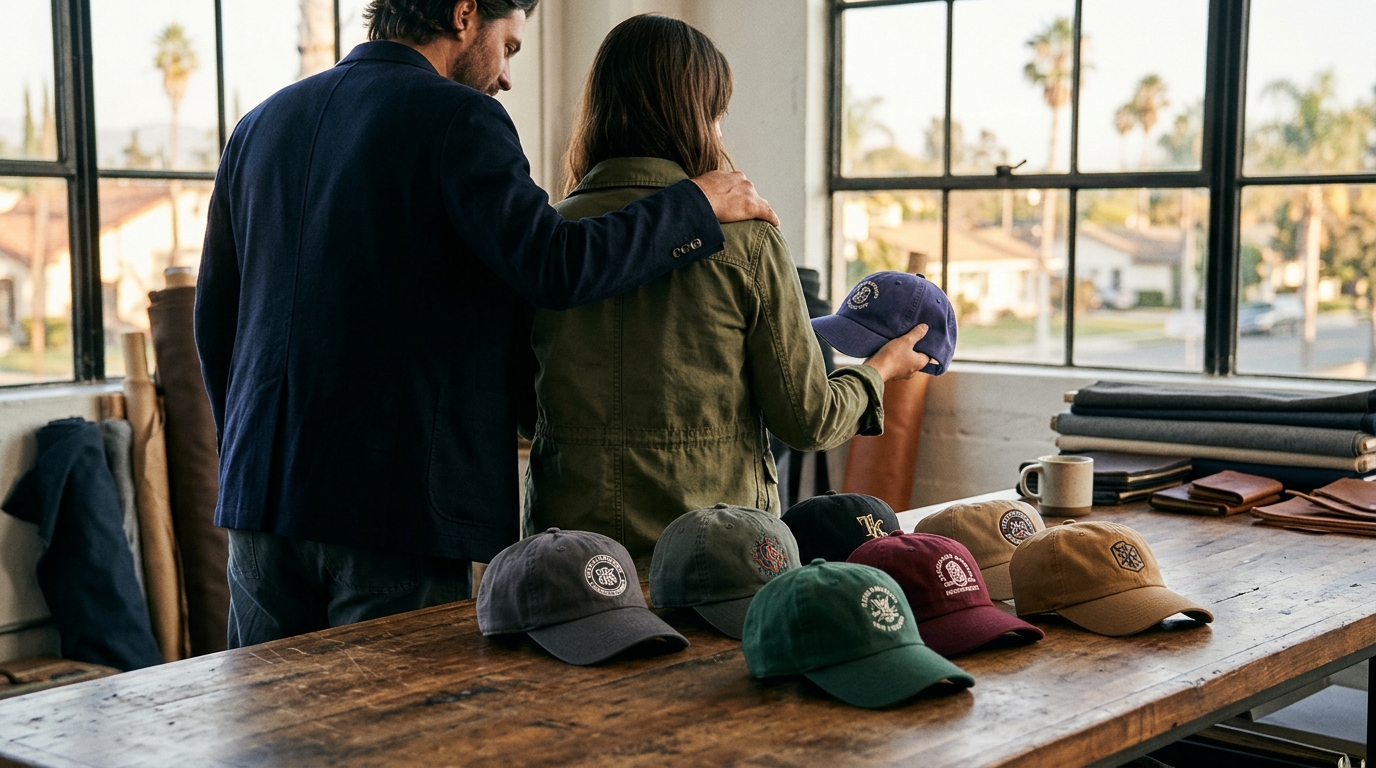
Typical minimum order quantities for branded hats range from 12 to 24 units for standard screen printing, while embroidery often requires a minimum of 24 to 50 pieces. These thresholds vary significantly based on the production method, the specific hat style, and the supplier's operational model. Understanding these baseline numbers helps businesses budget accurately and avoid unexpected costs when launching a new merchandise line. For additional details, review the KNIGHTSBRIDGE INDUSTRIES Promotional Products.
Production Methods and Order Thresholds
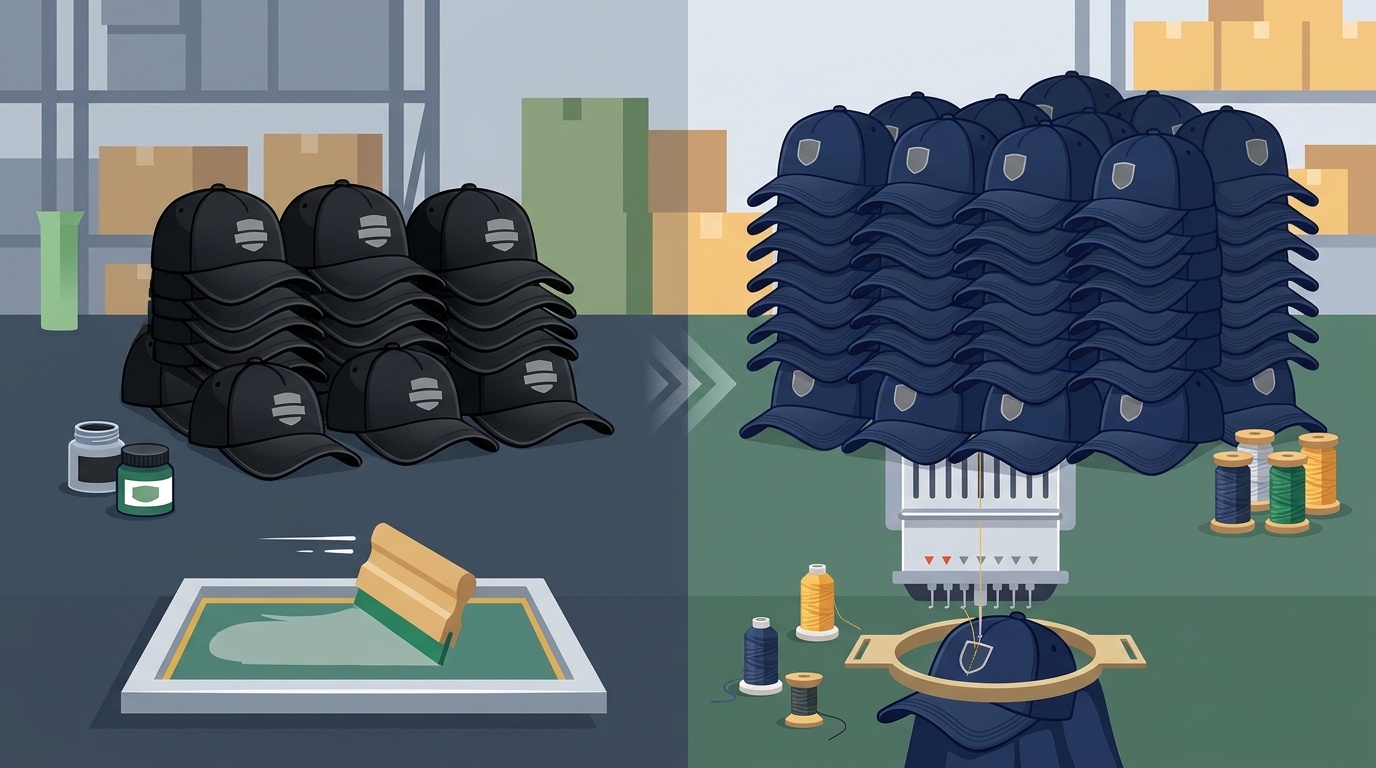
The primary driver of minimum order quantities is the production technique used to apply the logo. Screen printing is a high-efficiency process that requires the creation of a physical screen for each color in the design. Because of this setup cost, suppliers often enforce a minimum of 12 to 24 units to make the job economically viable. This method is ideal for simple, high-contrast logos on flat surfaces like the front panel of a cap. For additional details, review the KNIGHTSBRIDGE INDUSTRIES Promotional Products.
Embroidery is a different beast. It involves stitching thread directly into the fabric, which is a slower, more labor-intensive process. Most embroidery shops require a minimum of 24 to 50 pieces. The reason is that the machine setup and digitizing time are fixed costs. If you only order five hats, the per-unit cost becomes prohibitively high. For businesses looking to maintain a professional look, embroidery is often preferred despite the higher entry threshold. For additional details, review the KNIGHTSBRIDGE INDUSTRIES Promotional Products.
Hat Style and Complexity Factors
The physical structure of the hat also influences the minimum order quantity. A simple 6-panel snapback is easier to produce than a structured 5-panel trucker hat or a complex fitted cap. Fitted caps require precise sizing, which adds a layer of complexity. Suppliers may set higher minimums for fitted styles because they must manage inventory of specific sizes. A standard unstructured cap is more forgiving and often has lower minimums. For additional details, review the KNIGHTSBRIDGE INDUSTRIES Promotional Products.
Consider the number of colors in your logo. A single-color logo is among the most efficient to produce. Multi-color logos increase the setup time for screen printing and the thread changes for embroidery. Some suppliers adjust their minimums based on color count. For example, a supplier might require 24 units for a one-color design but 50 units for a four-color design. This ensures the setup cost is distributed across enough units to remain profitable for the manufacturer.
Local Suppliers and Customization
However, local suppliers still face the same physical constraints of production. They cannot eliminate the setup costs of screen printing or embroidery. The difference is in the willingness to work with you. A local partner might allow you to order 12 units of a specific style if they have the blank stock on hand. This is a significant advantage for businesses that need a small quantity for a specific event or team. It allows for testing the market without committing to a large inventory.
When evaluating a local supplier, ask about their specific minimums for your chosen style and method. Do not assume that all suppliers have the same thresholds. Some may have a blanket minimum of 24 for all headwear, while others may vary it by style. Getting a clear answer upfront prevents surprises later in the process. It also helps you plan your budget more accurately.
Cost Implications of Small Batches
For many businesses, the ability to order a small batch is worth the premium. It allows them to test a new design or style without tying up capital in a large inventory. If the hats sell well, they can reorder a larger quantity at a lower per-unit cost. This phased approach reduces risk. It also allows for adjustments based on customer feedback. You can refine the design or choose a different style for the next run.
Knightsbridge Industries provides resources for headwear that help businesses navigate these options. Their team can guide you through the cost implications of different order sizes. They can help you find the balance between per-unit cost and total investment. This guidance is invaluable for businesses that are new to promotional products. It ensures you make informed decisions that align with your budget and goals.
Key Takeaways
- Screen printing typically requires a minimum of 12 to 24 units due to screen setup costs.
- Embroidery often has higher minimums, ranging from 24 to 50 units, because of labor intensity.
- Hat style complexity, such as fitted caps, can influence the minimum order quantity.
- Ordering at the minimum quantity results in a higher per-unit cost due to fixed setup fees.
- Phased ordering allows businesses to test designs and reduce inventory risk.
- Always confirm specific minimums with your supplier, as they vary by style and method.
Frequently Asked Questions
What is the lowest minimum order quantity for branded hats?
The lowest minimum is typically 12 units for screen printing. Some suppliers may go as low as 6 for simple designs, but 12 is among the industry standard for most local shops.
Does embroidery have a higher minimum than screen printing?
Yes, embroidery usually requires a higher minimum, often 24 to 50 units. This is because the machine setup and digitizing process are more time-consuming and costly.
Can I order different sizes in a small batch?
Yes, you can usually order a mix of sizes within your minimum quantity. However, some suppliers may require a certain distribution of sizes to ensure efficient production.
How does hat style affect the minimum order?
Complex styles like fitted caps or structured trucker hats may have higher minimums. Simple unstructured caps are easier to produce and often have lower minimums.
Is it worth paying more for a small order?
It depends on your goals. If you are testing a new design, the higher per-unit cost is often worth the lower total investment. It reduces risk and allows for market testing.